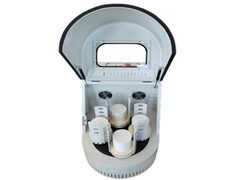
Mulino a sfere planetario

Altri video
September 19, 2025
Connessione Categoria: Mulino a palle planetario
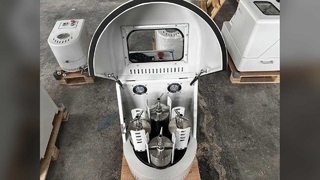
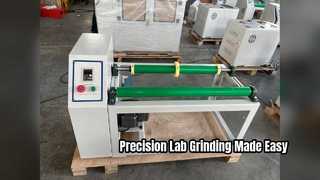
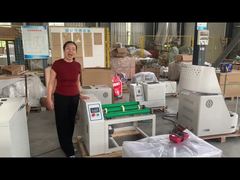
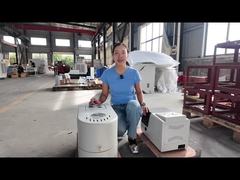
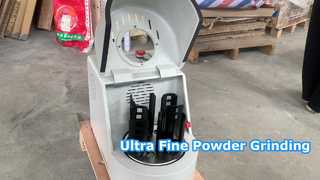
Breve: Scopri il mulino a sfere planetario da laboratorio, un avanzato macinatore da laboratorio progettato per una preparazione efficiente dei campioni. Perfetto per la macinazione di nanoparticelle e polveri sottili, questa apparecchiatura high-tech offre alta efficienza, bassa rumorosità e funzionalità versatile. Ideale per R&S, università e laboratori, elabora quattro campioni simultaneamente e ottiene campioni di polvere in condizioni di vuoto.
Caratteristiche del prodotto correlate:
  • Simultaneously processes up to four samples per experiment for high throughput.
  • Achieves ultra-fine powder granularity down to 0.1um for precise results.
  • Operates with low noise and high efficiency, suitable for laboratory environments.
  • Supports vacuum ball mill tanks for obtaining powder samples under vacuum conditions.
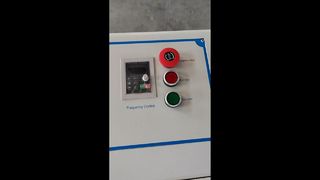
  • Features multiple drive modes and operation configurations for flexible use.
  • Capable of continuous full-load operation for up to 72 hours.
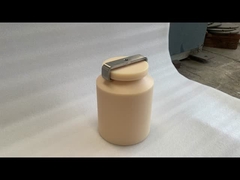
  • Compatible with a wide selection of grinding jars and media balls.
  • Ready-to-use equipment requiring no assembly with easy maintenance.
FAQ:
  • What is the smallest output granularity this planetary ball mill can achieve?
    The Planetary Ball Mill can achieve an output granularity as fine as 0.1um, making it ideal for producing nanoparticles and ultra-fine powders.
  • How many samples can be processed simultaneously in one experiment?
    This machine can simultaneously process up to four samples per experiment, enhancing efficiency in R&D and small batch production.
  • What types of grinding jars and balls are compatible with this equipment?
    It is compatible with a wide range of materials including stainless steel, zirconia, alumina, agate, and tungsten balls, and can be used with Retsch and Fritsch milling systems.
  • What is the maximum continuous operating time for this ball mill?
    The Planetary Ball Mill can operate continuously for up to 72 hours under full-load conditions, supporting extended experimental and production needs.